Avian diversity following patch-cut timber harvests in west-central New Hampshire
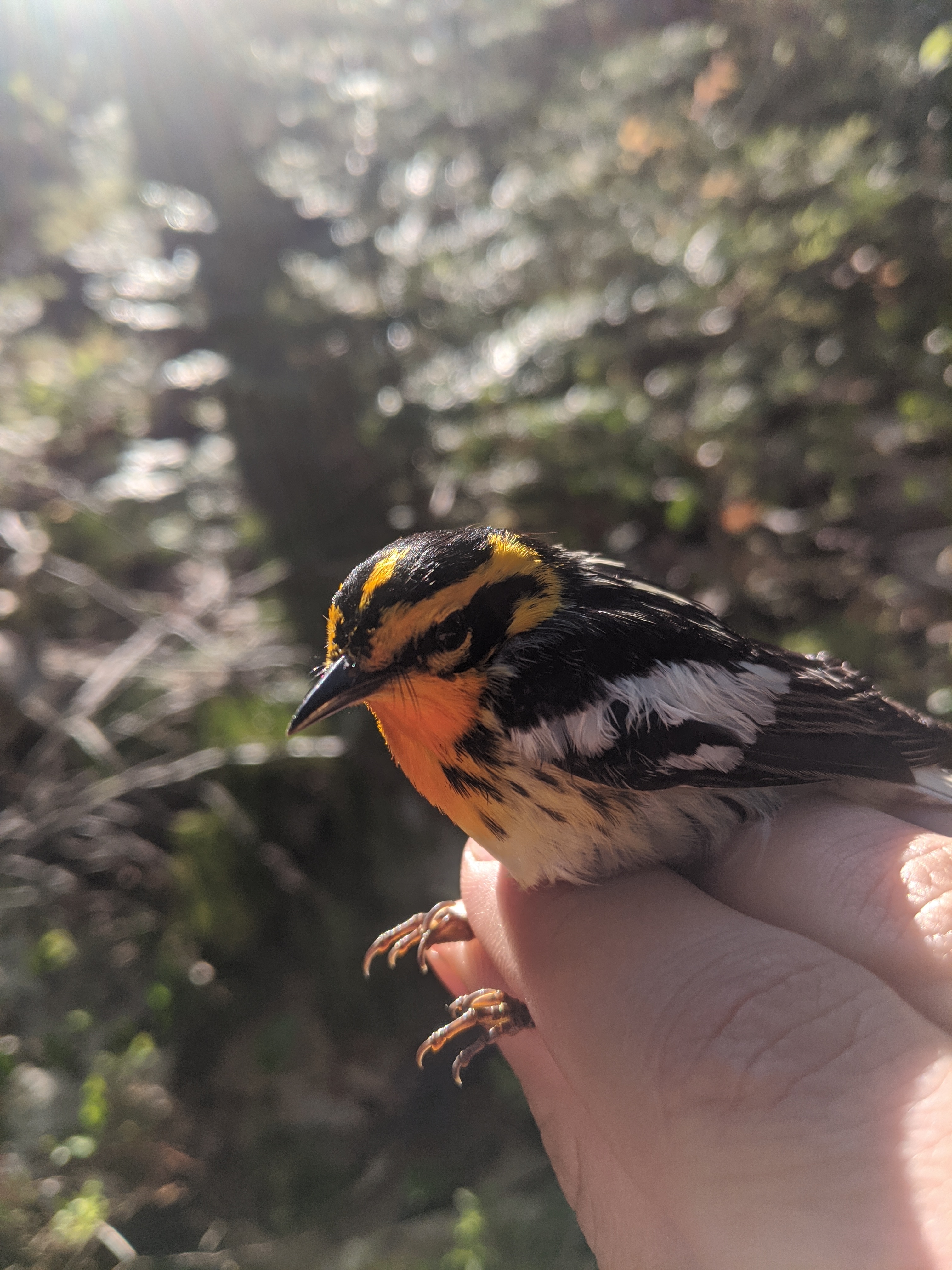
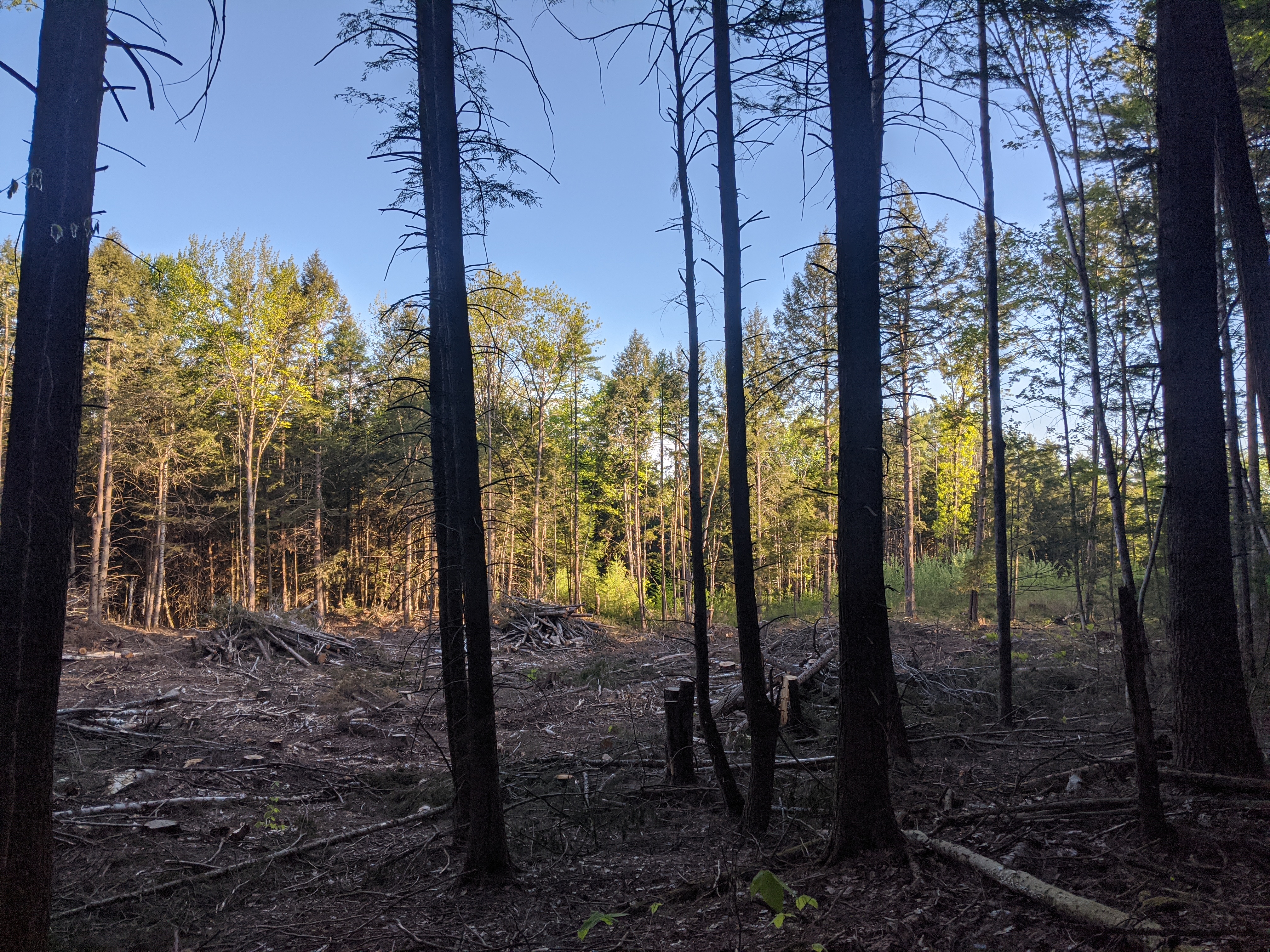
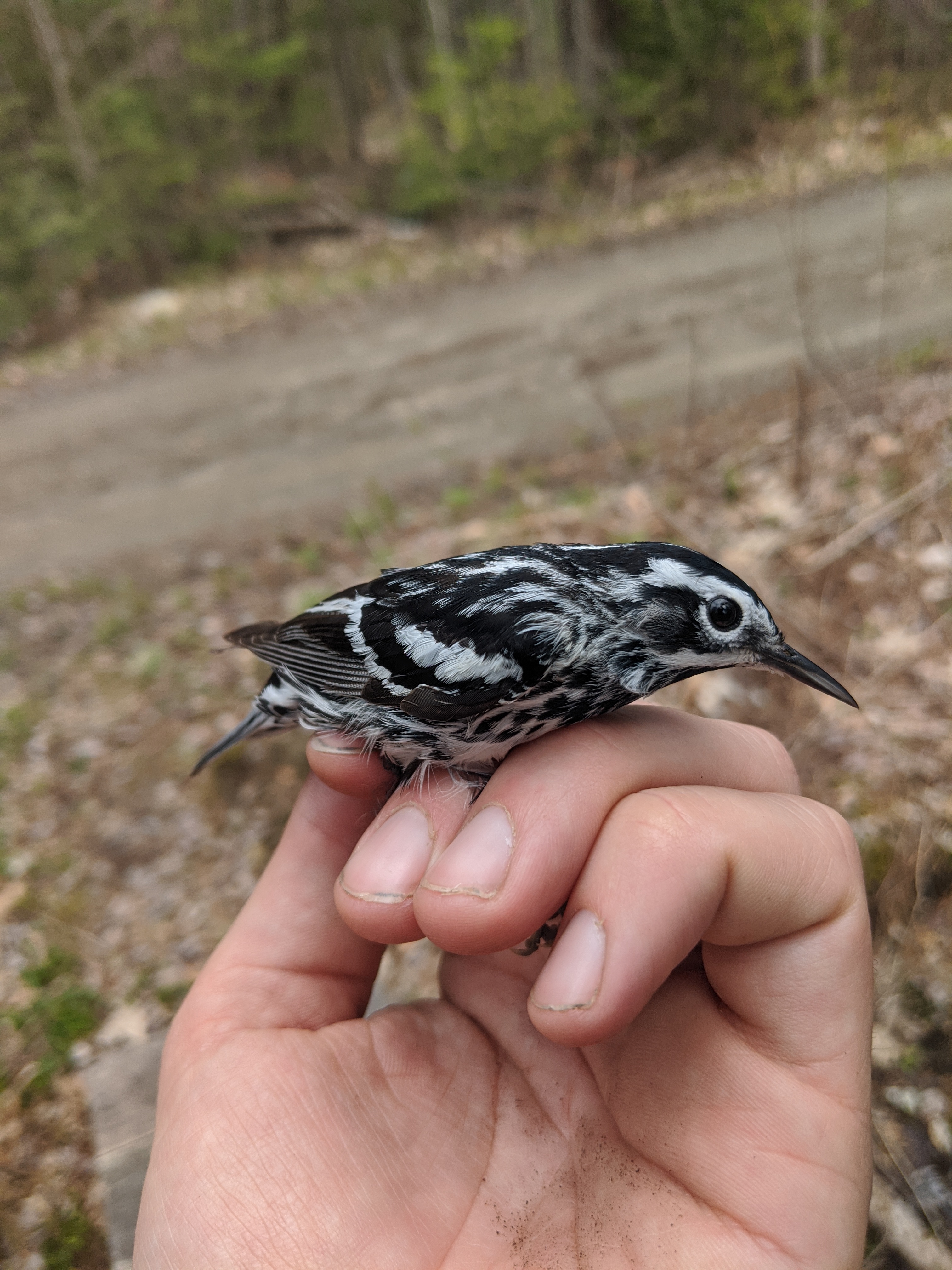
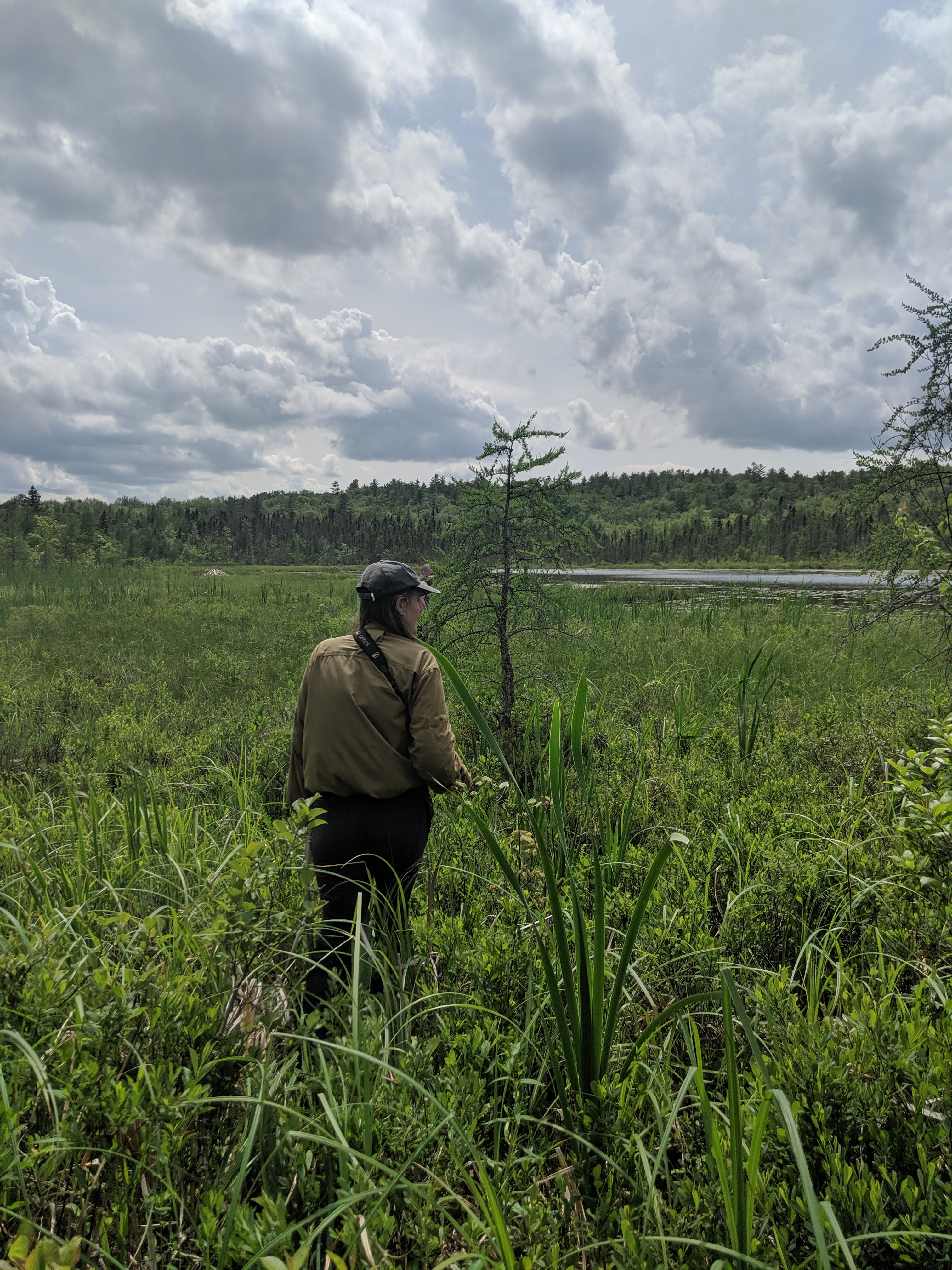
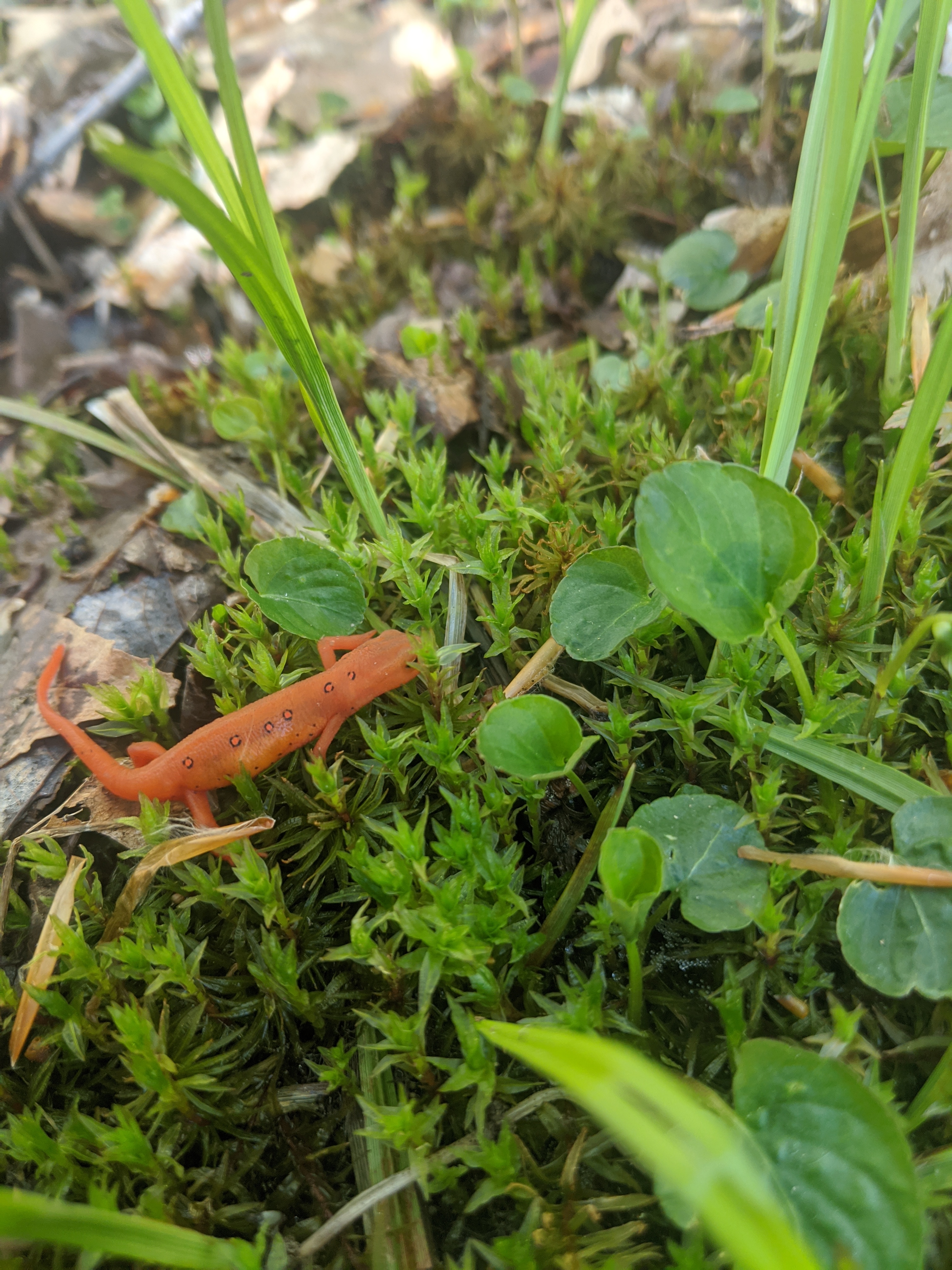
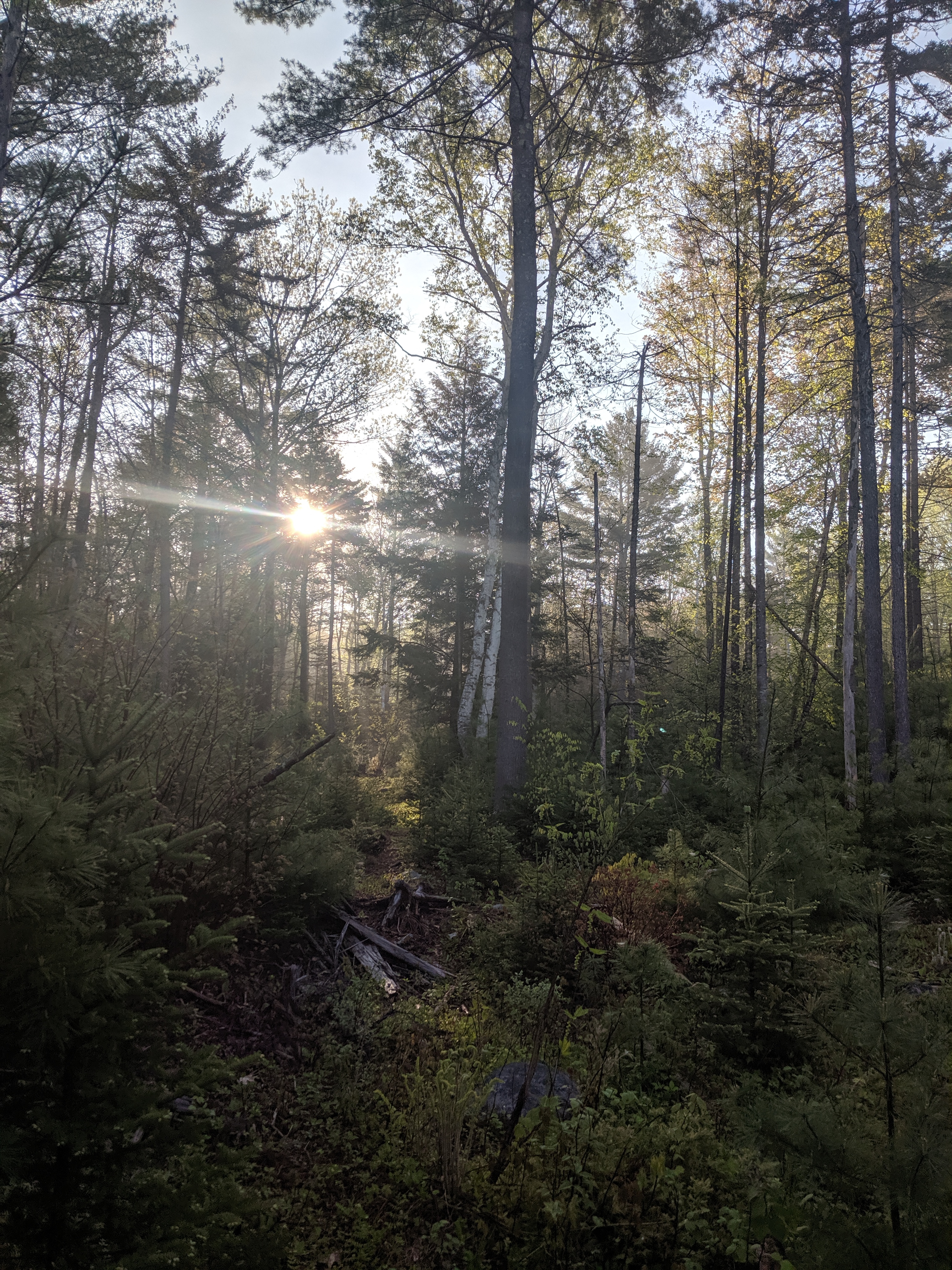
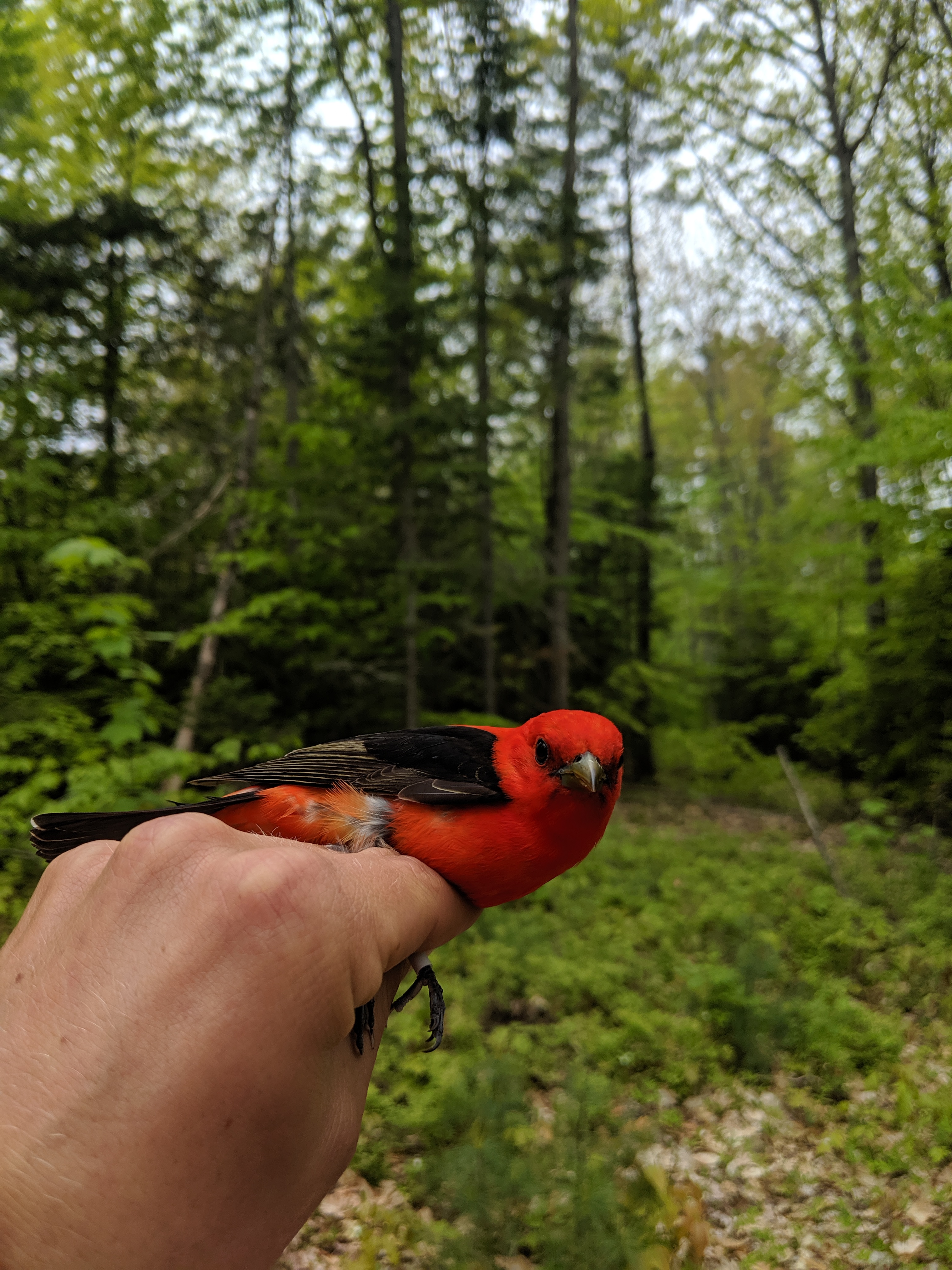
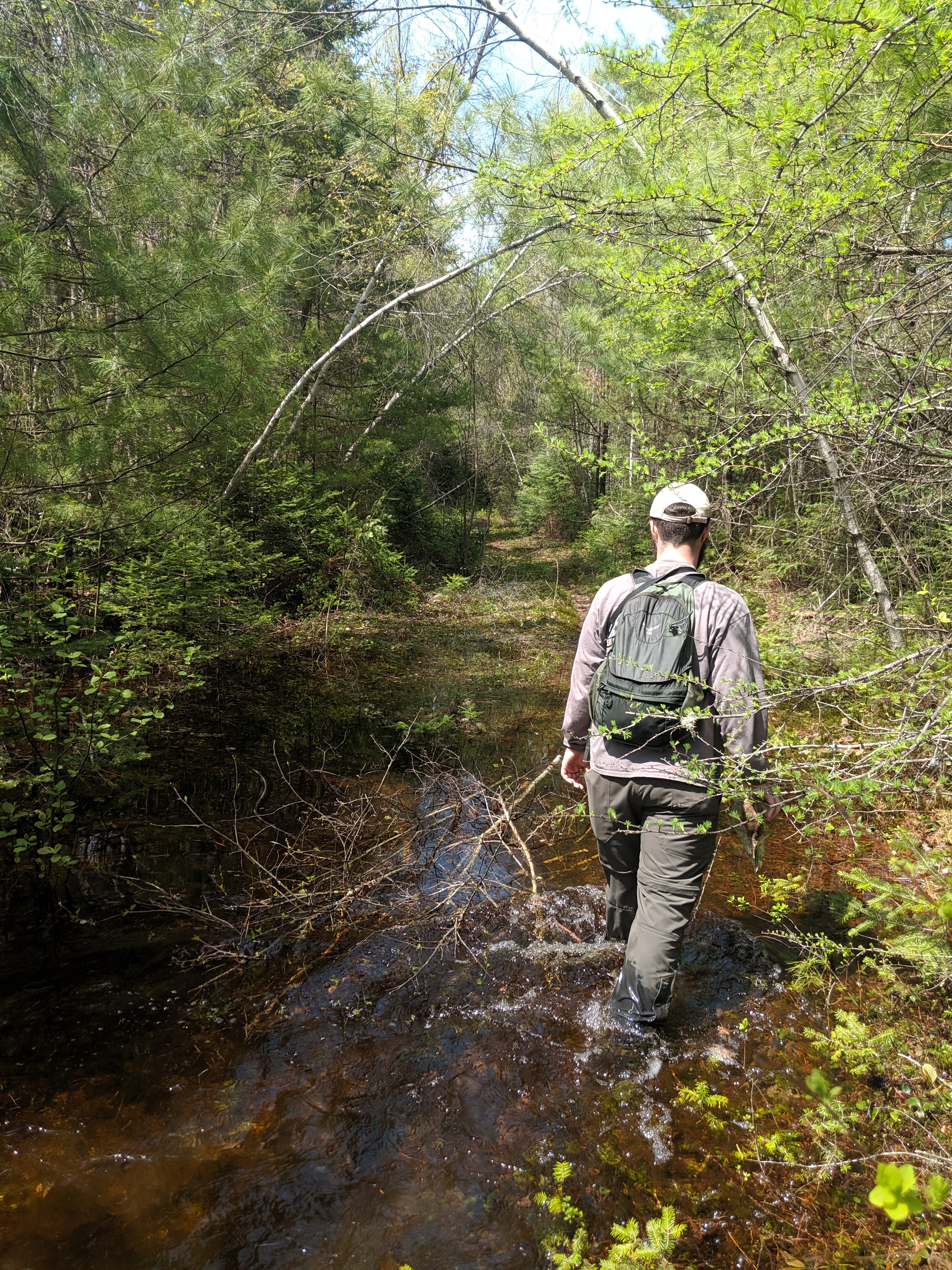
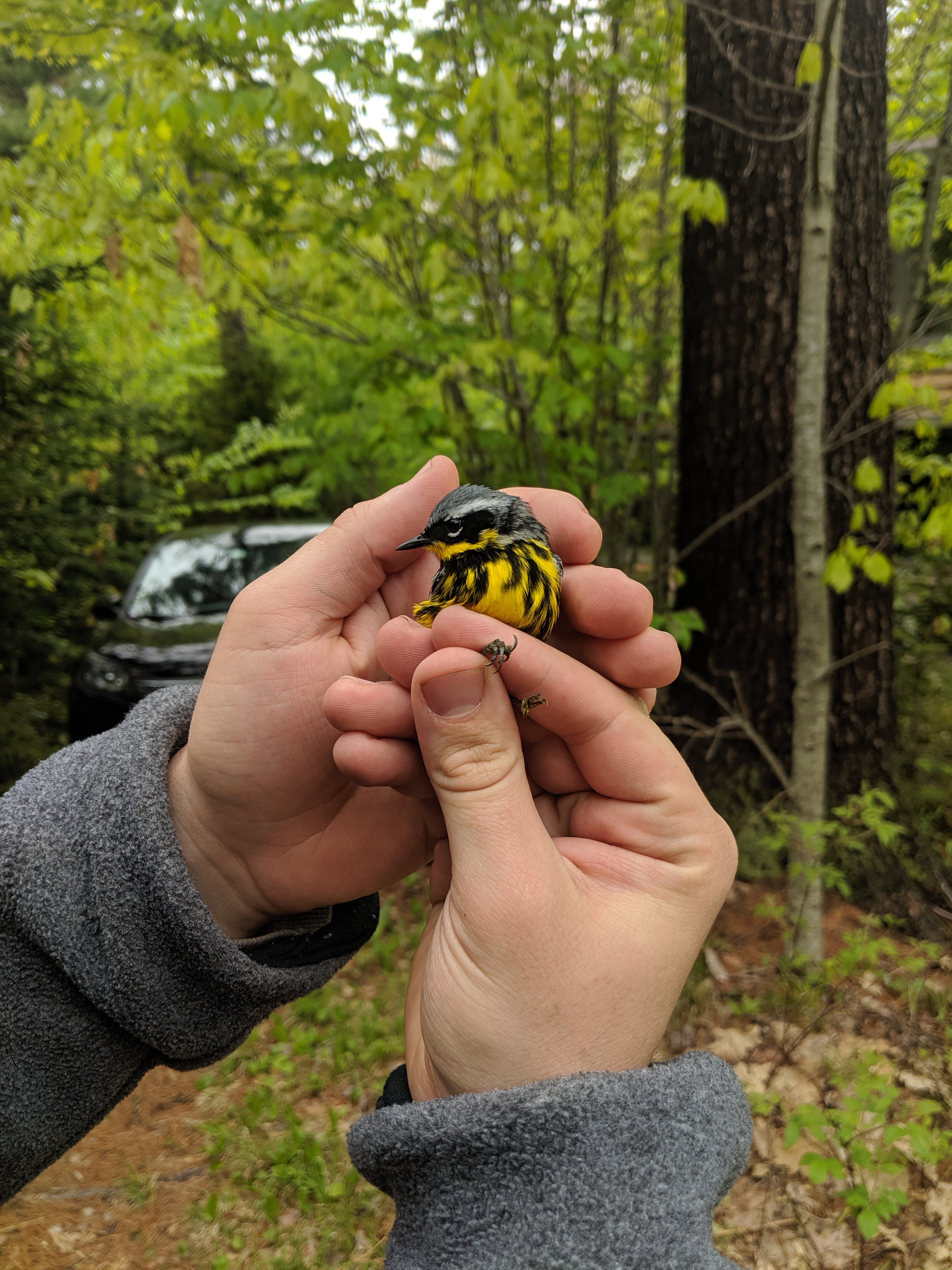
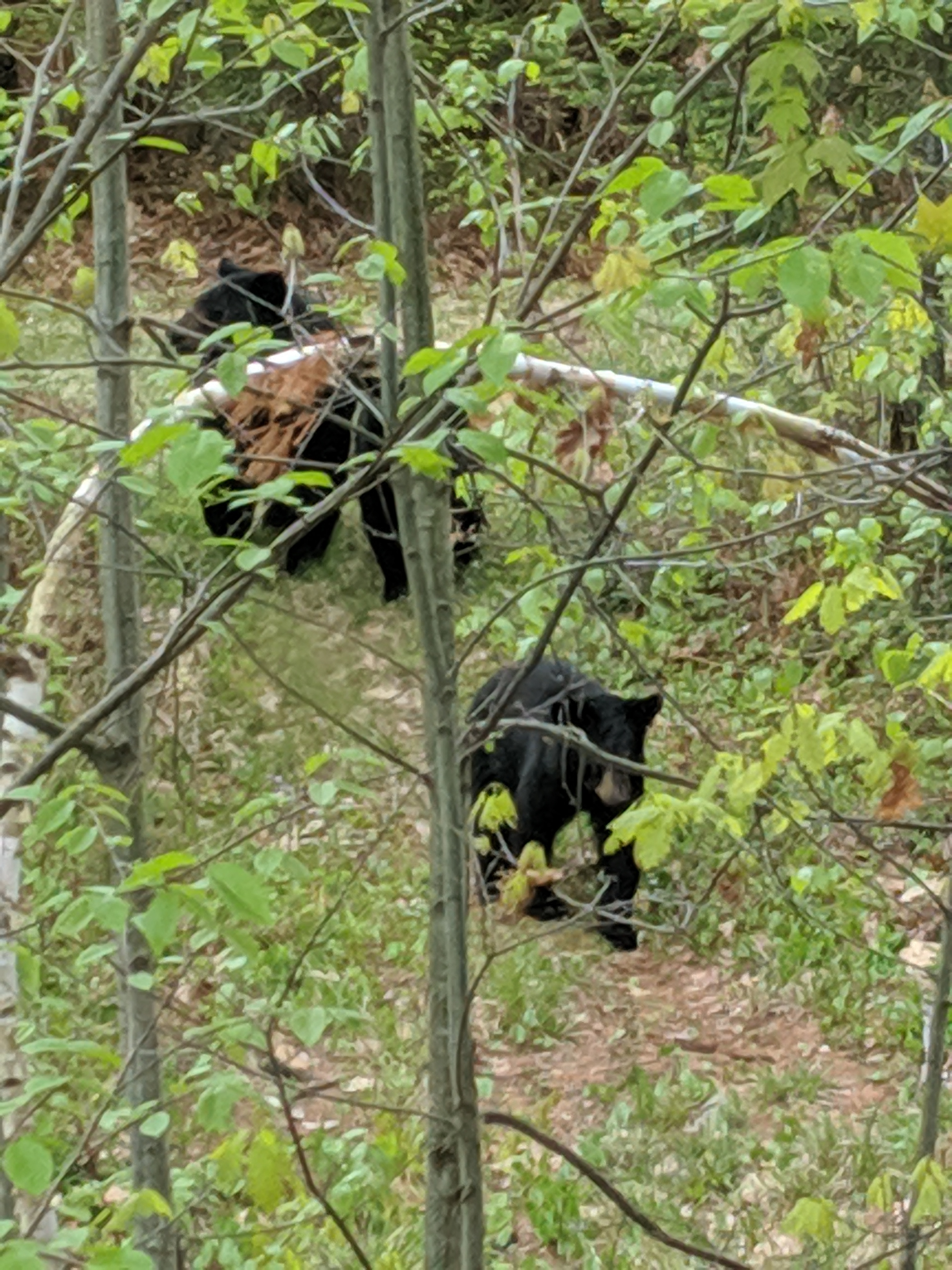
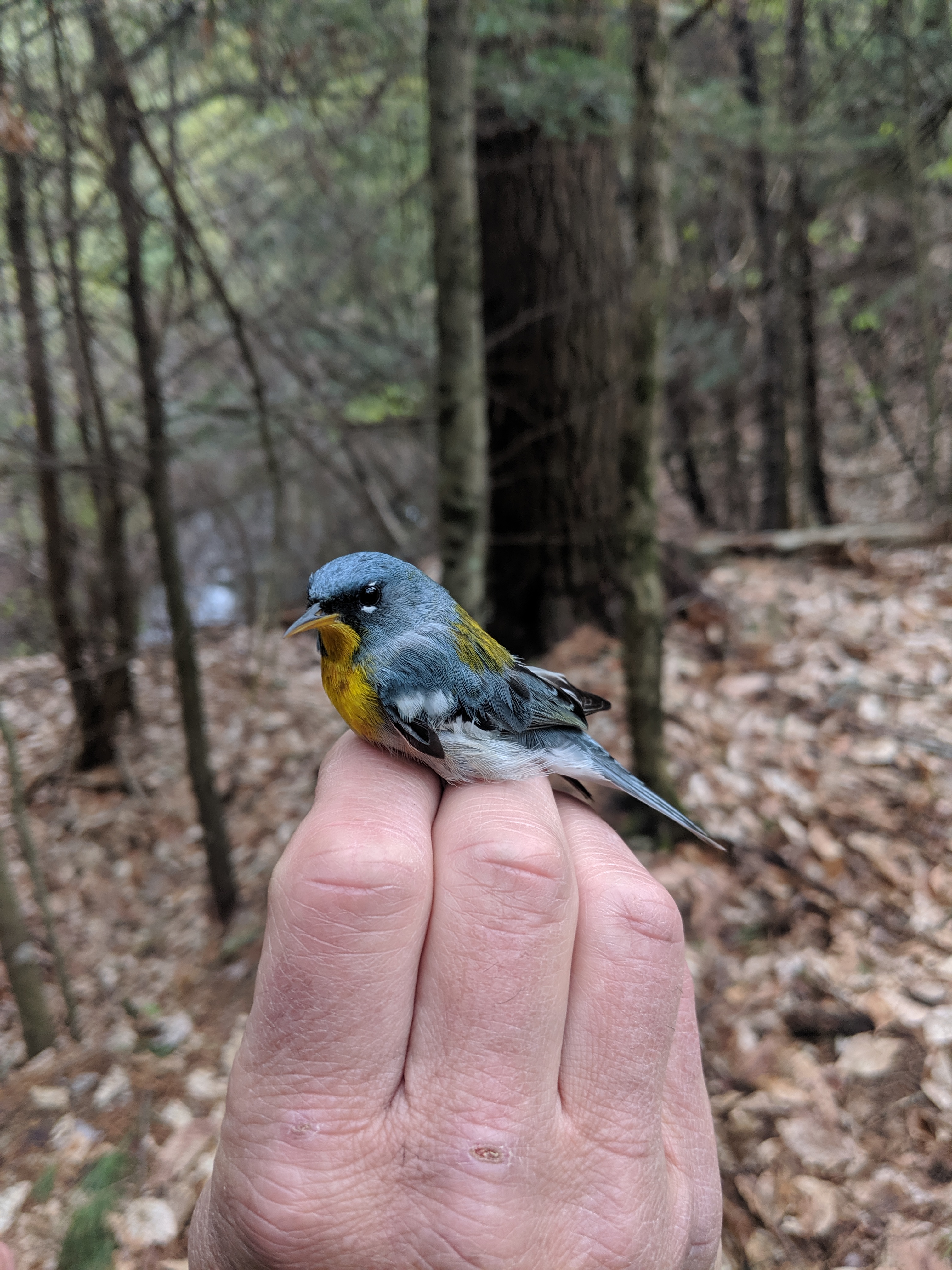
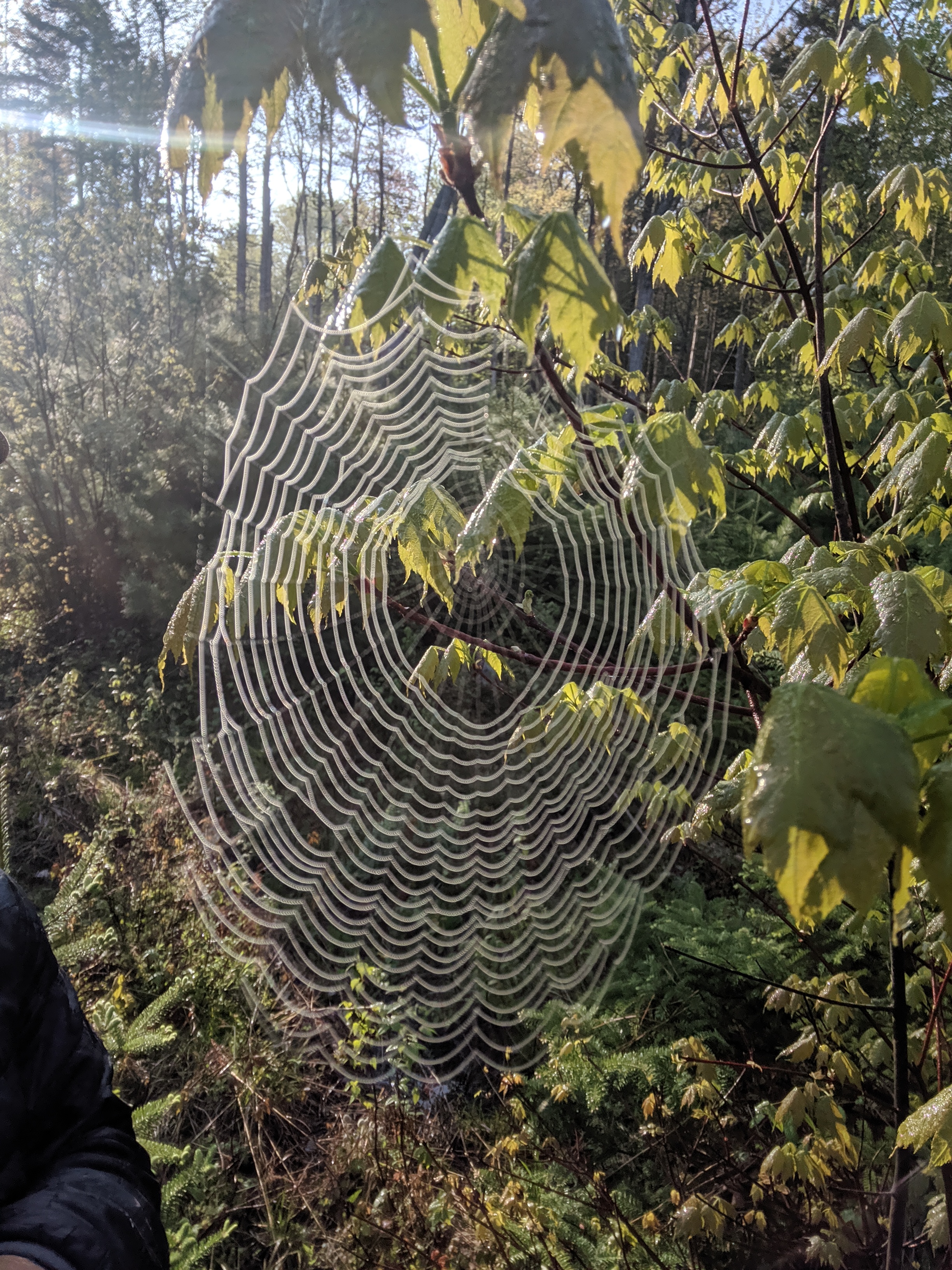
During two separate breeding seasons we conducted research on two private property sites in order to understand avian diversity and abundance in response to small patch-cut timber harvests (roughly 0.5 – 3 acres in size) within an even-forest mature forest. Following the harvest, overall diversity of birds significantly increased on both sites in due to the structural complexities created from the harvest. Further, we found significantly greater arthropod abundance in patches than in the forest. Additionally, we mapped territories of 6 target species across guilds and found that both scrub-shrubland species and woodland species utilize the habitat for breeding and post-fledging development.
Presentations:
S. Parks and L. Reitsma. “The Impact of Group-Selction Timber Harvesting on Avian Diversity in West-Central New Hampshire.” Virtual Presentation, North American Ornithological Conference. August 2020.
S. Parks and L. Reitsma. “Increases in Avian Diversity Following Group-selection Timber Harvests in West-central New Hampshire” Virtual Presentation, Northeastern Natural History Conference. April 2021.

Phenology of trees in the San Luis Valley of Costa Rica
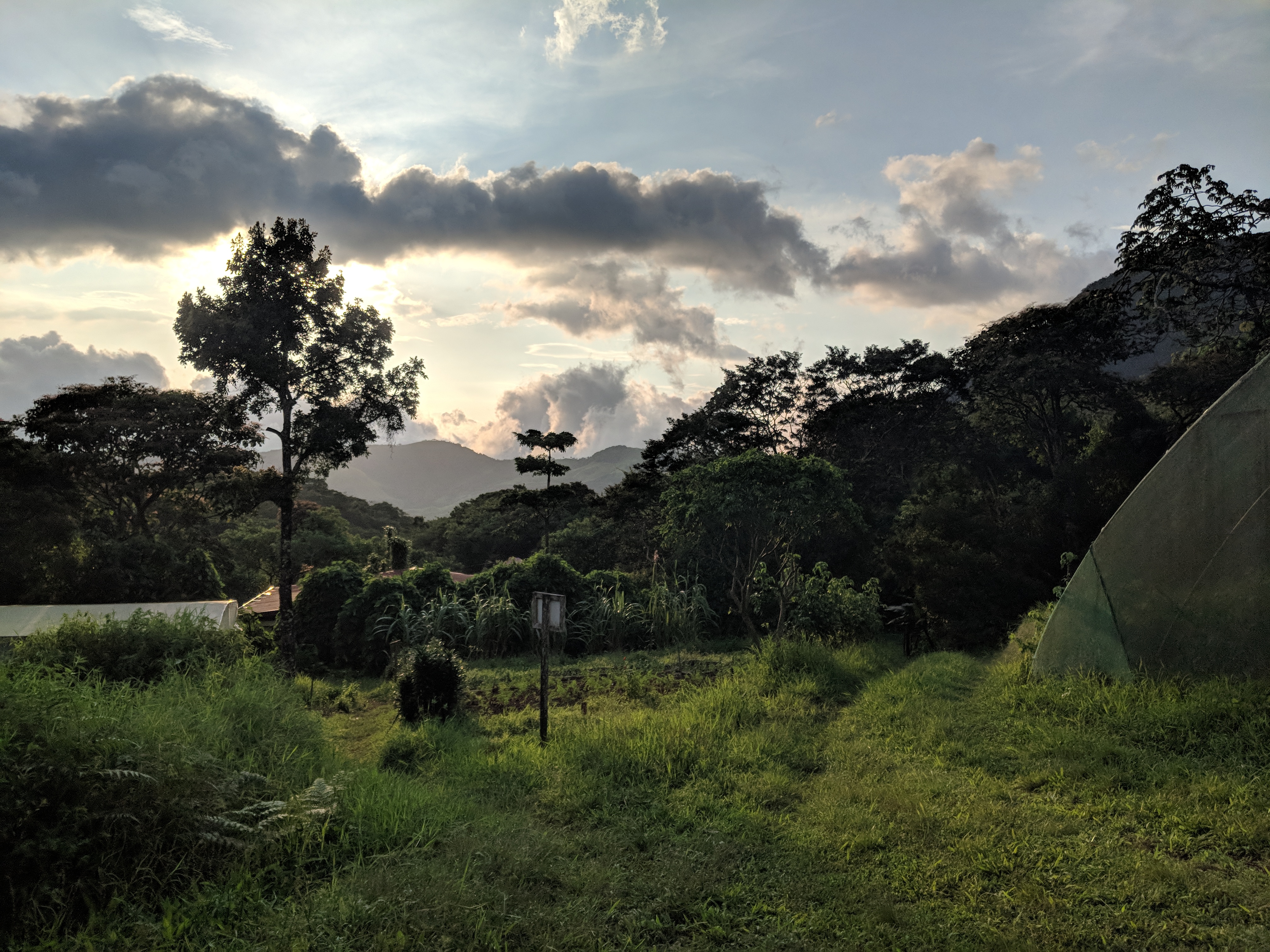
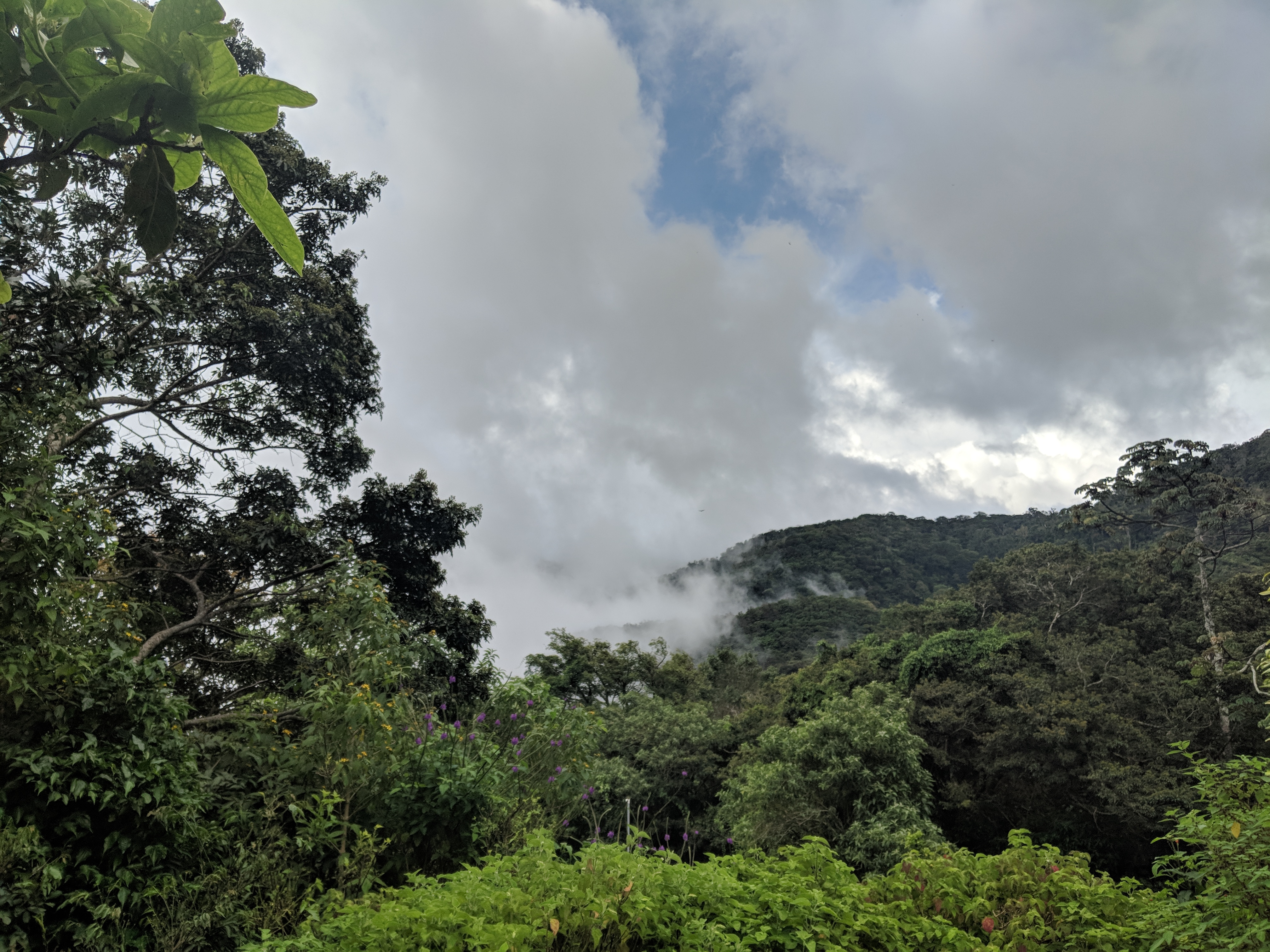
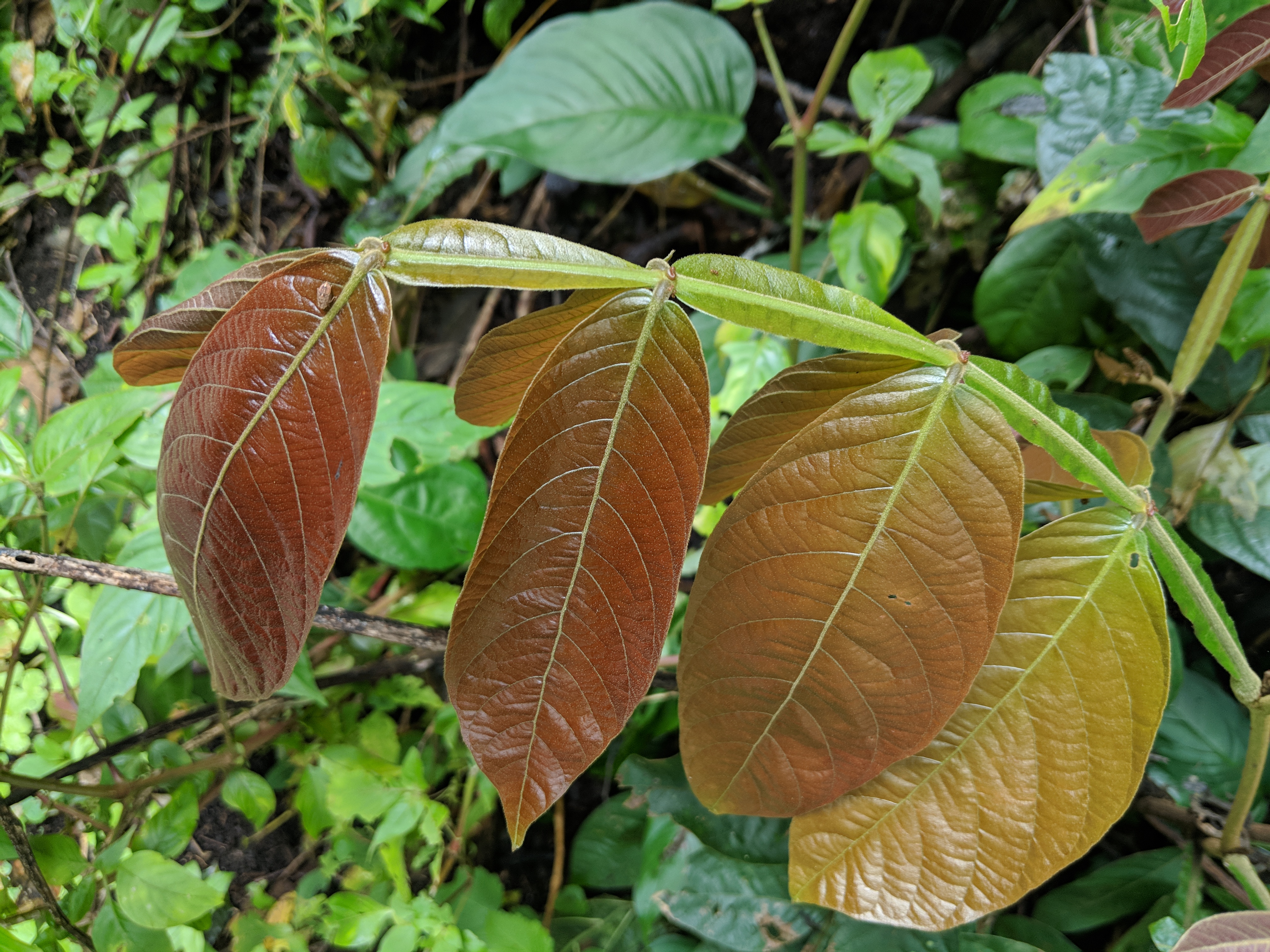
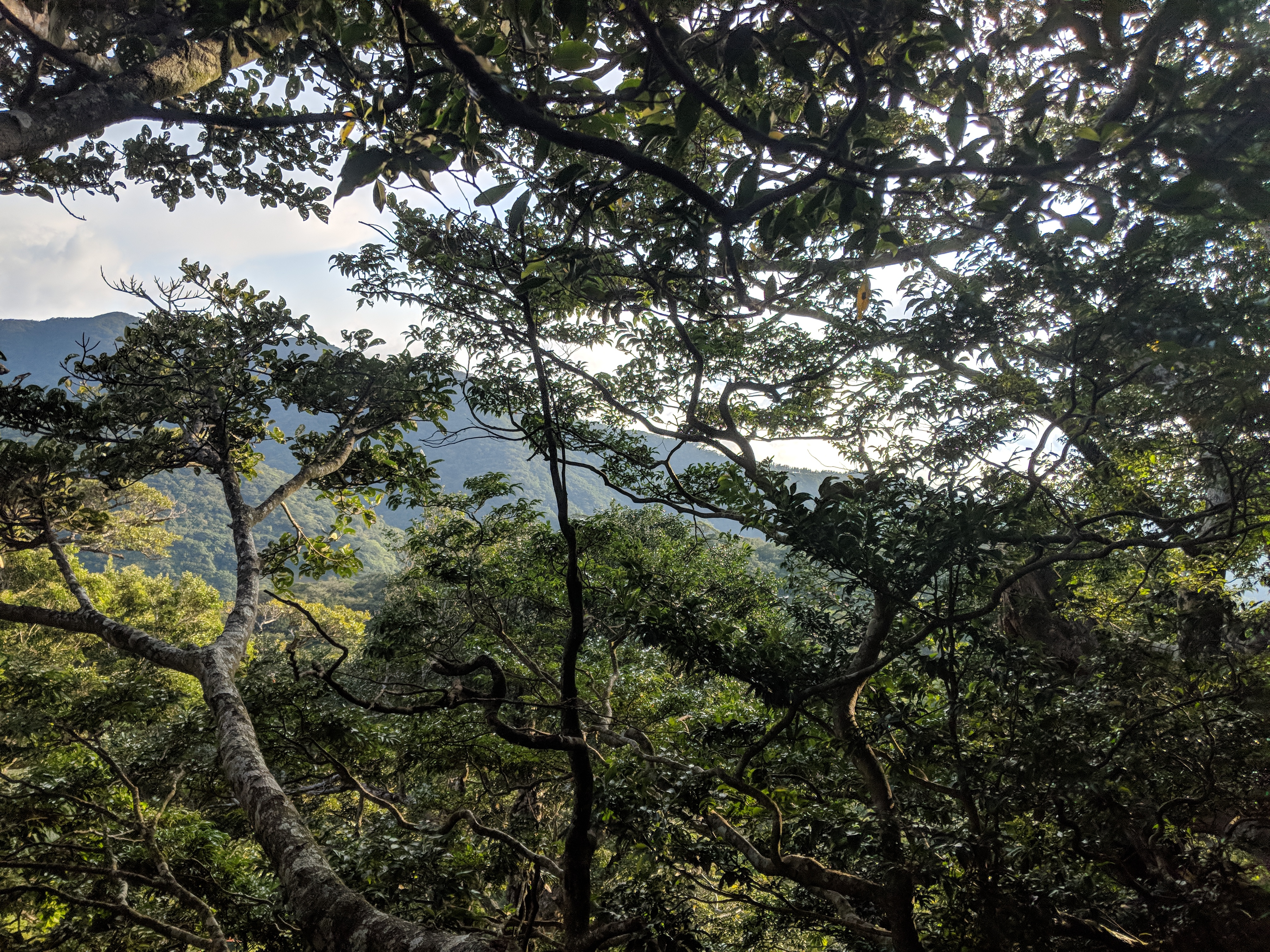
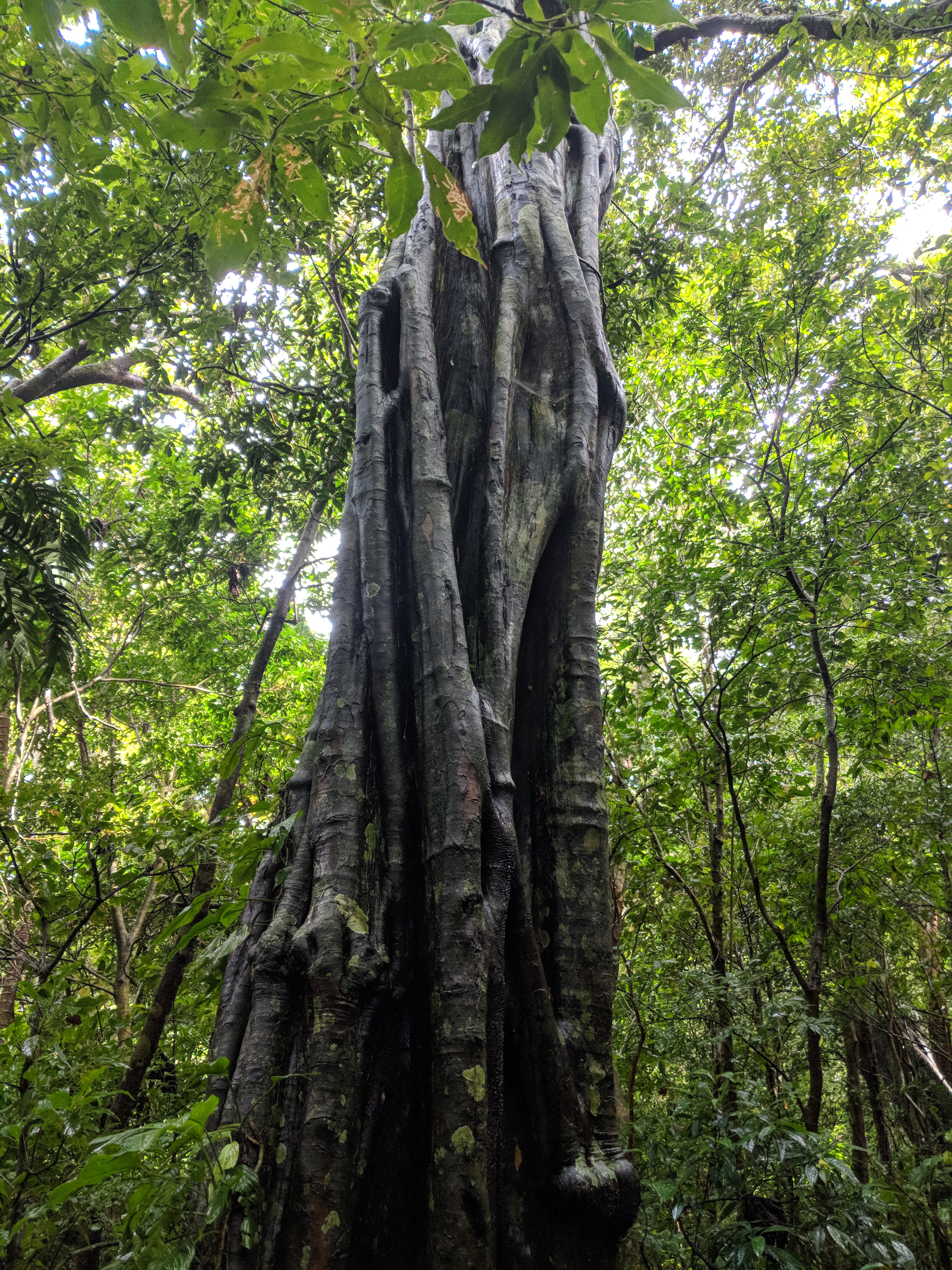
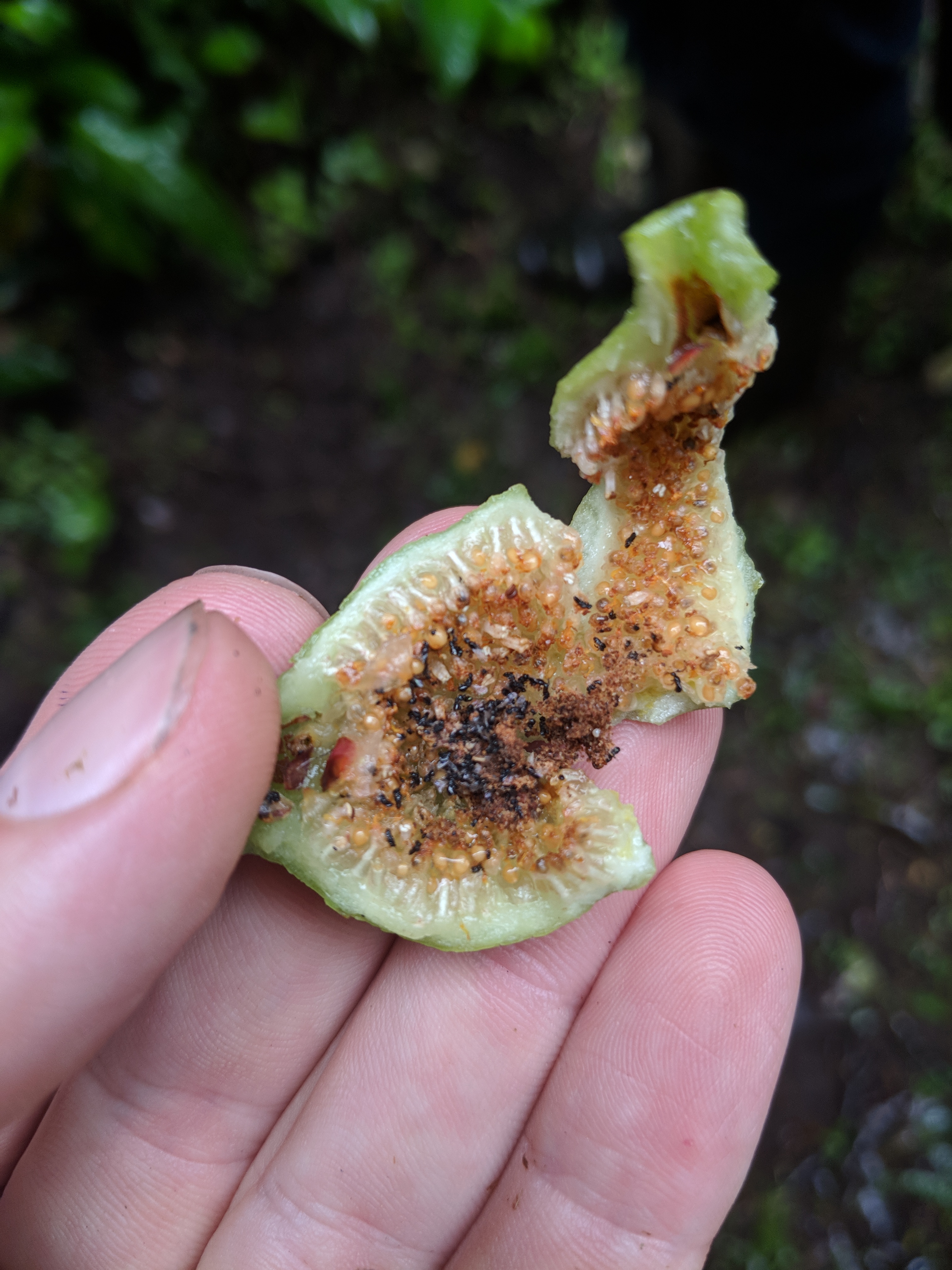
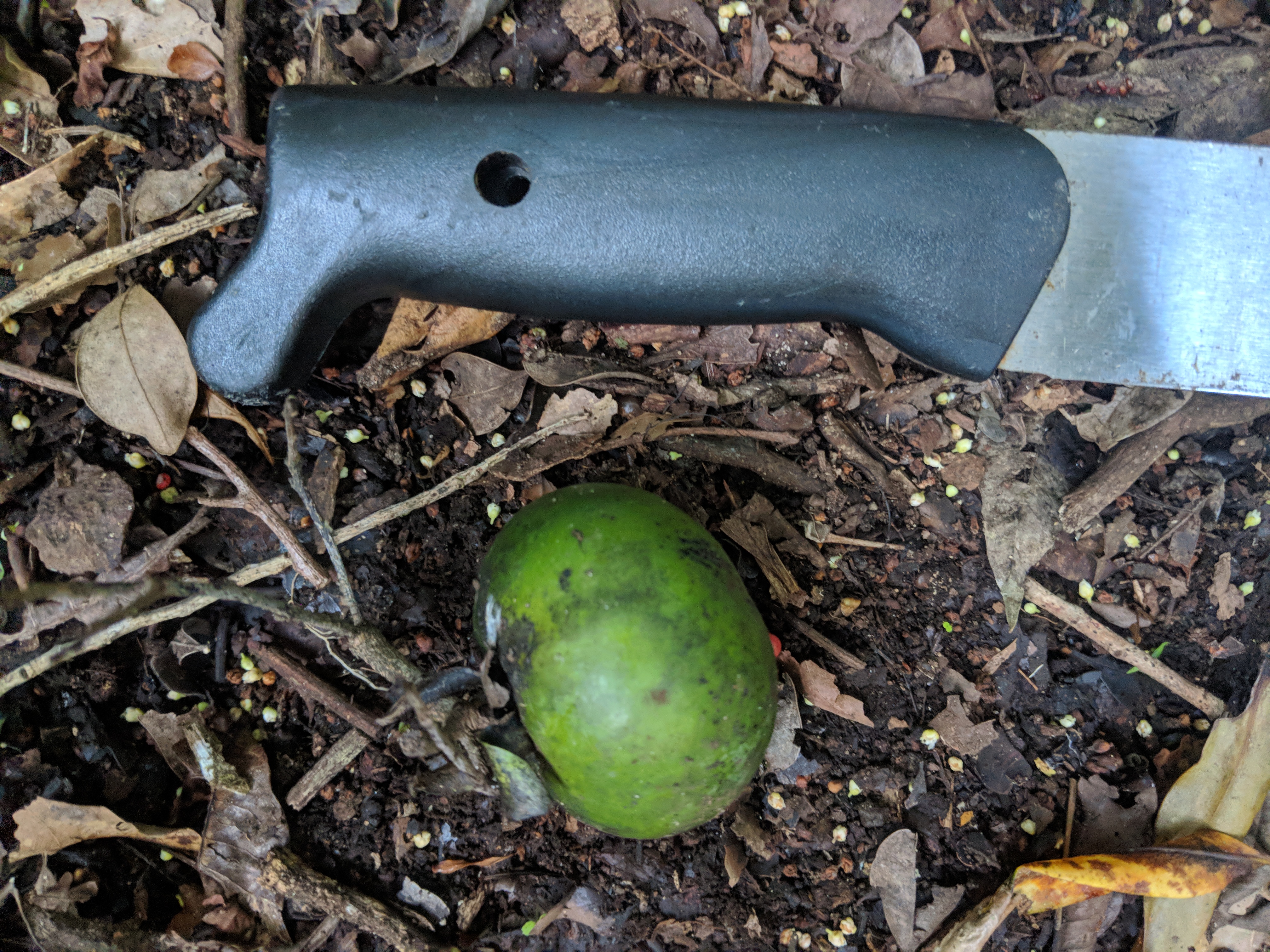
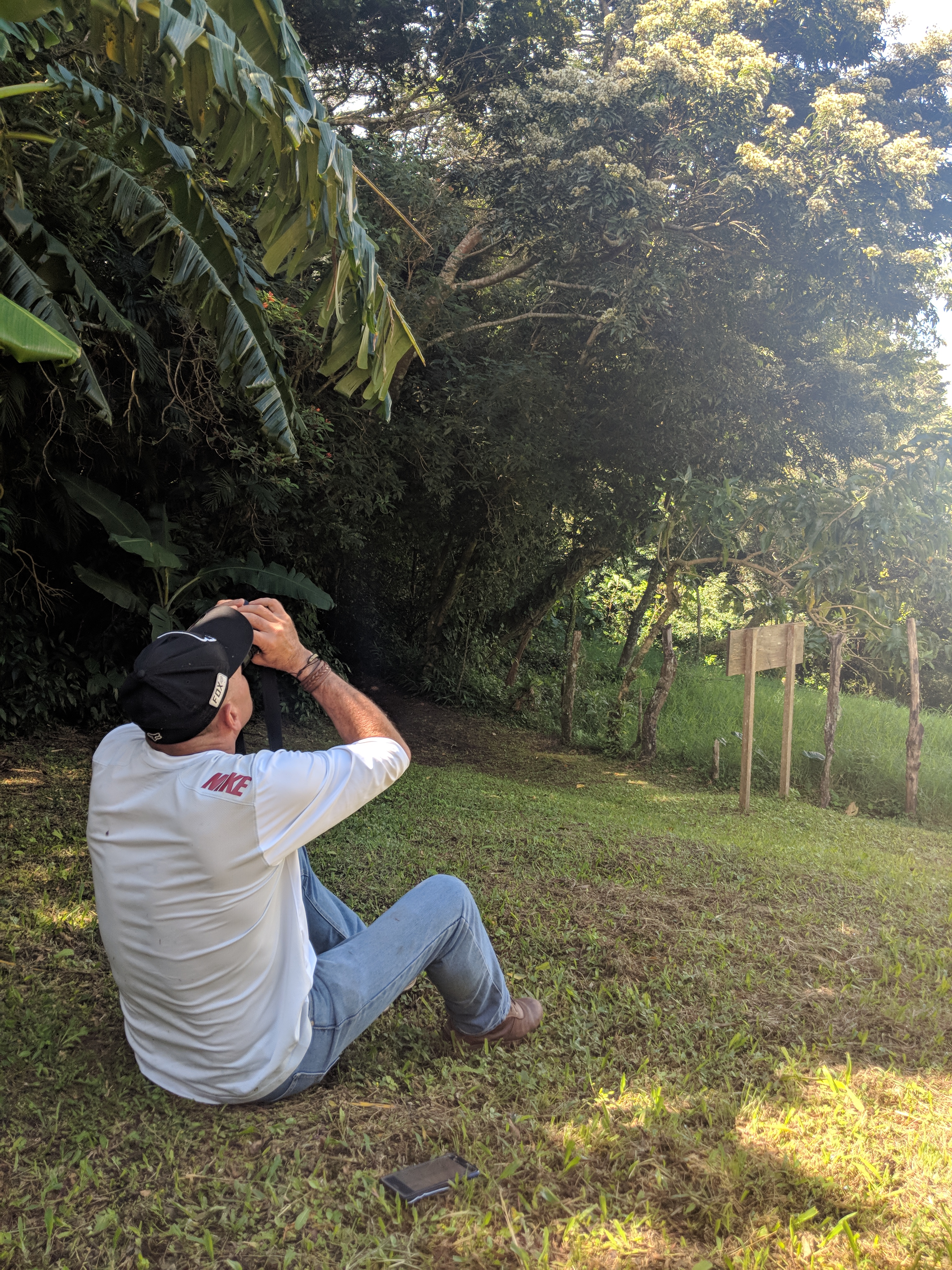
In the tropics the fruiting and flowering events of trees are not limited to a “summer season” like they are in temperate climates. Further, the fruiting and flowering events are lesser known within Central America due to the lack of research. I initiated a long-term study on the formerly UGA-owned campus in the San Luis Valley to record these phenological events in order to understand the relationship between abiotic and biotic facors for future research. This study incorporated 22 keystone tree species across 12 families with a minimum of 10 individuals per species. These species were chosen for their prevalence in literature, their interconnection with other species, and their relative abundance within the forest. This was the first-of-its-kind study within the pre-montane wet-forest of the Neotropics, an understudied life zone.
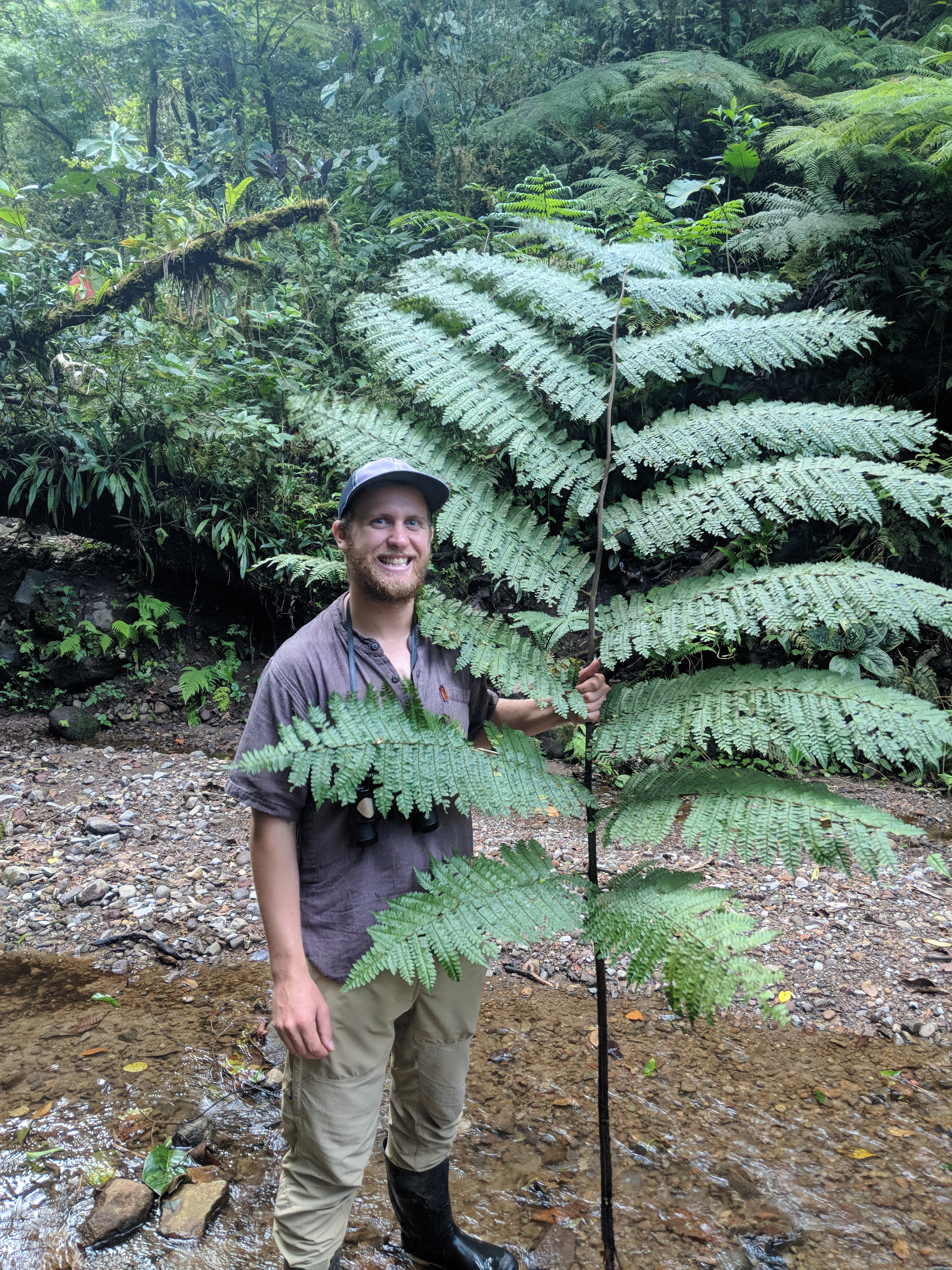
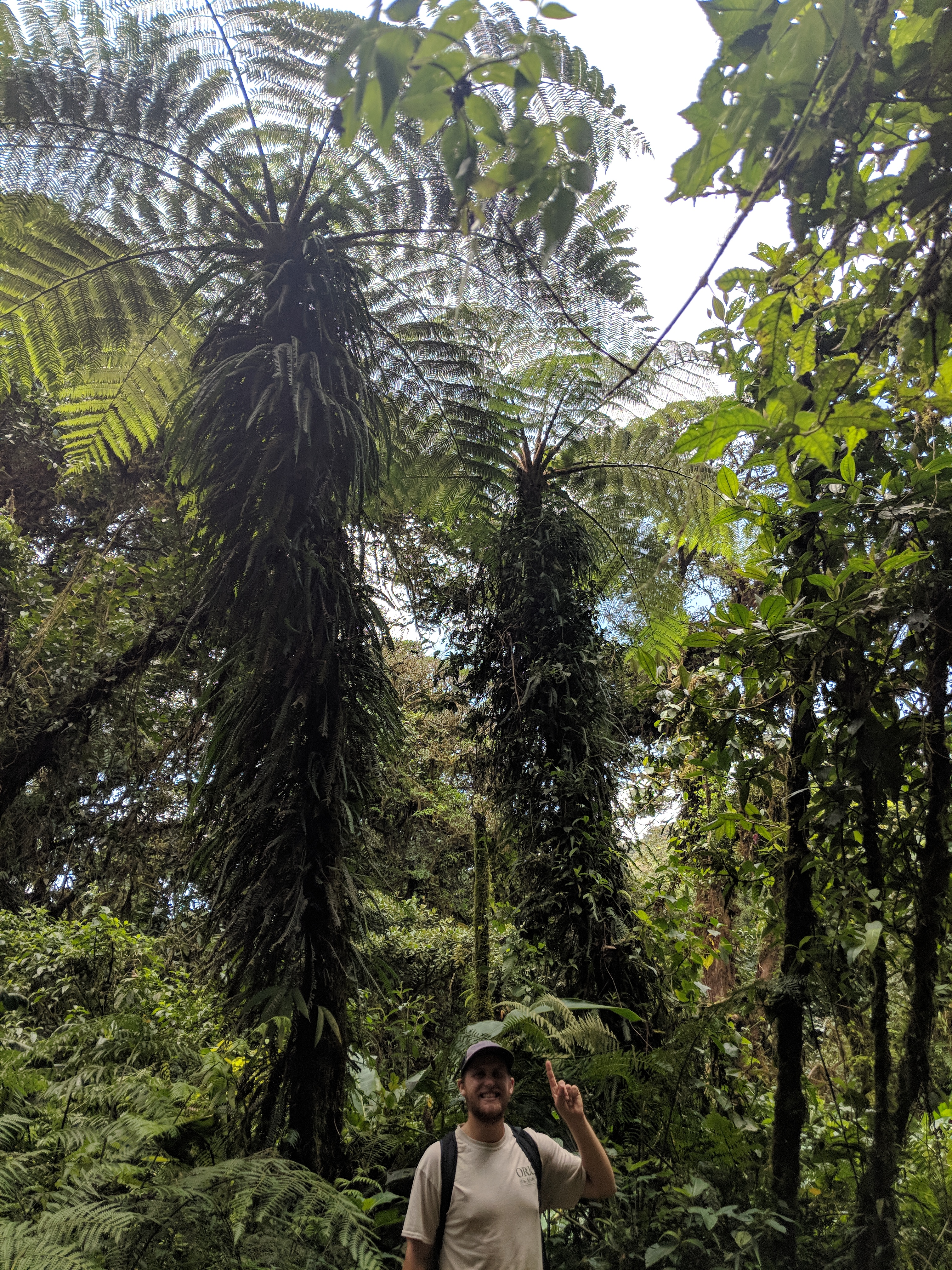
Tree Fern diversity along an altitudinal gradient
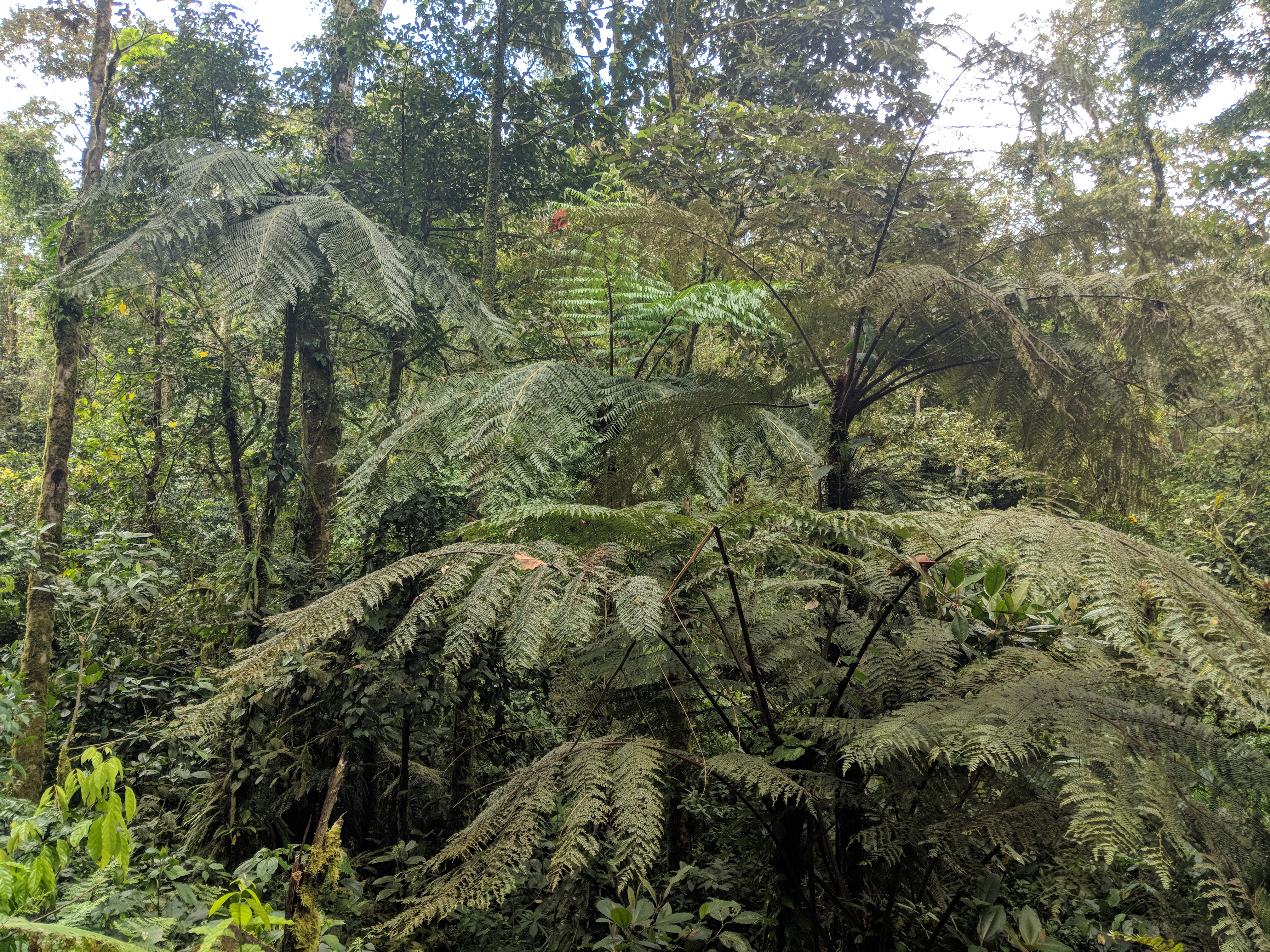
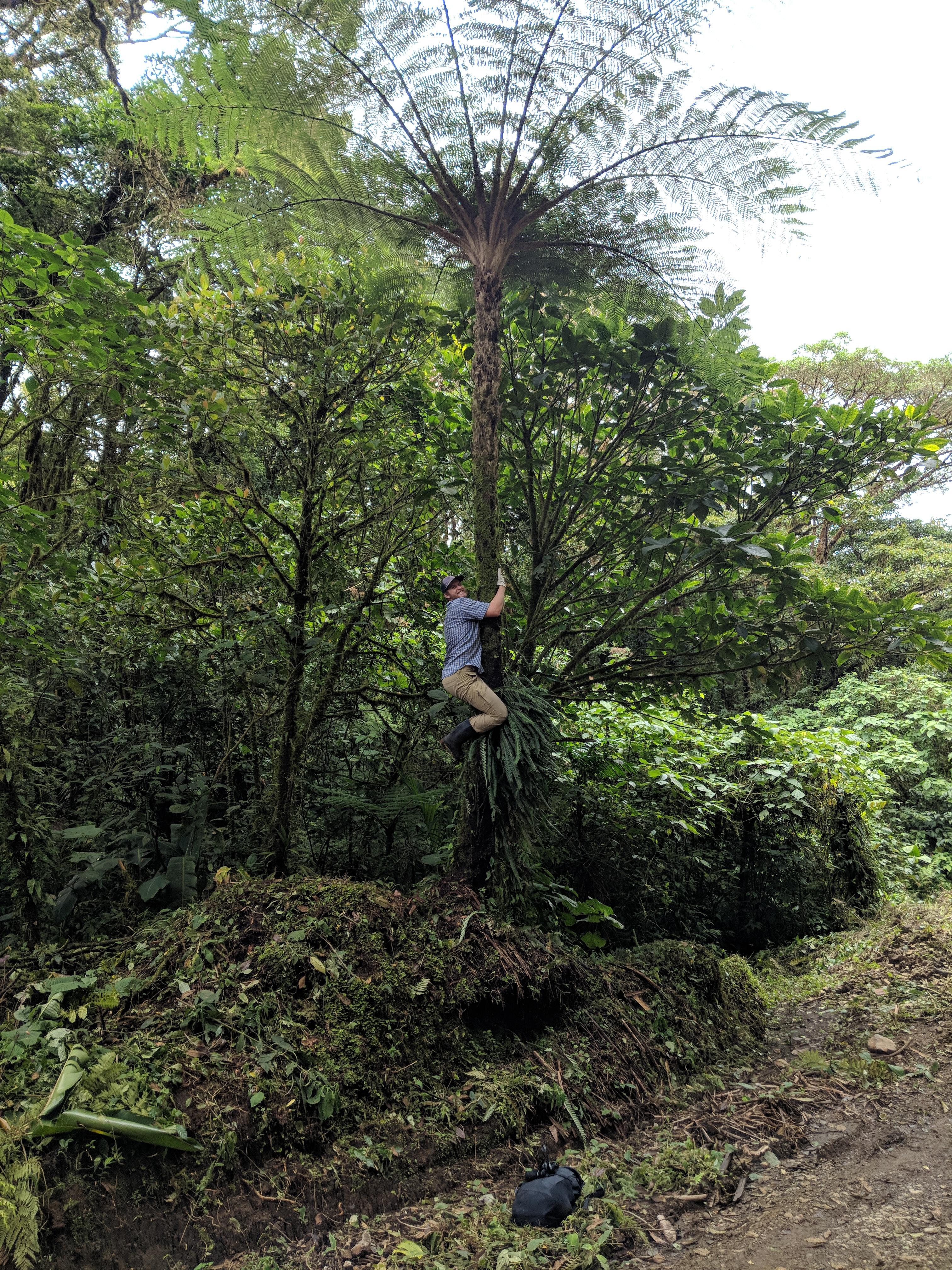
While studying abroad in the Peruvian Amazon Basin, I conducted a census estimating tree fern diversity, abundance, and biomass across an altitudinal gradient in the Kosñipata Valley ranging from 11,000 ft in the páramo above the cloud forest to 1,200 ft in the Amazonian lowlands. This data was collected to establish a baseline for an understudied and largely forgotten about order of plants. Further, this baseline data is of importance as climate change and deforestation perversely impact our planet. In order to communicate the results, I presented to the people of the Pilcopata Village and the Kosñipata region in Spanish.
 Samuel D. Parks